How to handle a wet carpet after a leak or flood
@homerecoveryjournal
Start with safety and stop the water source
The first thing to do when you find wet carpet is to make sure the area is safe. If the water came from a flood, a burst pipe, or a sewer backup, assume it contains contaminants. Turn off the electricity in the affected rooms if there is standing water. Do not walk through the water in bare feet. Wear rubber boots and gloves if you have to enter the room.
Then stop the water at its source. Shut off the main water valve if a pipe burst. If the leak is from a roof or window, put a bucket under the drip and move furniture out of the way. The faster you stop the water, the less time the carpet and padding have to absorb it.
Remove as much water as possible, right away
Use a wet-dry vacuum to extract standing water from the carpet. Work slowly and go over each section several times. A shop vacuum pulls water from the surface, but the padding underneath holds a lot more. If the carpet is glued down or the padding is thick, you may not get all the moisture out with a vacuum alone.
If you don't have a wet-dry vacuum, you can use towels and a mop, but this takes much longer and leaves more moisture behind. Press towels into the carpet with your weight and wring them out into a bucket. Replace them with dry towels and repeat. The goal is to remove as much liquid as possible before the carpet starts to dry on its own.
Pull up the carpet if the padding is soaked
When water sits on a carpet for more than a few hours, the padding underneath becomes a sponge. Wet padding stays wet for days or weeks and becomes a breeding ground for mold. If the carpet is not glued down, peel back a corner and feel the padding. If it is damp, you need to pull the carpet up to let the padding dry or replace it.
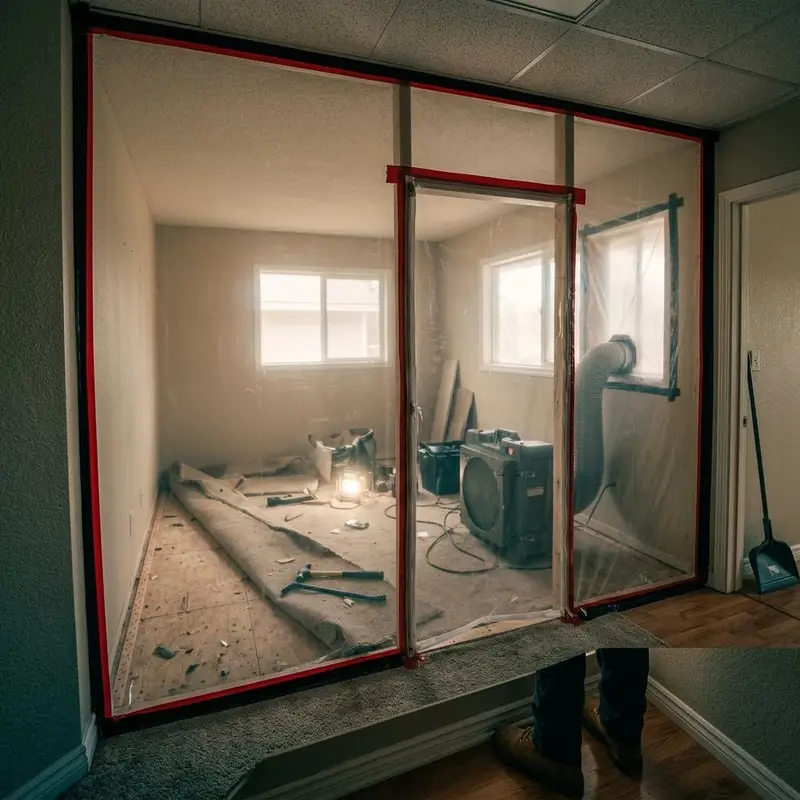
For wall-to-wall carpet, use a utility knife to cut the carpet into manageable sections. Roll each section and move it to a dry area. Remove the padding and discard it if it is heavily contaminated. Dry the subfloor with fans and dehumidifiers before putting anything back. This step is critical for carpet mold remediation because mold grows on the padding and subfloor long before you see it on the surface.
Dry the carpet and the room with air movement
Once the standing water is gone and the padding is dealt with, start drying the carpet itself. Open windows if the outdoor air is dry. Place fans around the room to create cross-ventilation. Point one fan at the wet carpet and another toward a window or door to pull moisture out. A dehumidifier helps a lot, especially in humid climates.
Do not use heat to dry the carpet unless you are sure the carpet can handle it. High heat can shrink carpet fibers or set stains. Instead, use air movement and low heat. If you have a carpet drying tool or a floor drying system, follow the manufacturer's instructions. The goal is to dry the carpet within 24 to 48 hours. After that, mold starts to grow.
Check for hidden moisture in the subfloor and walls
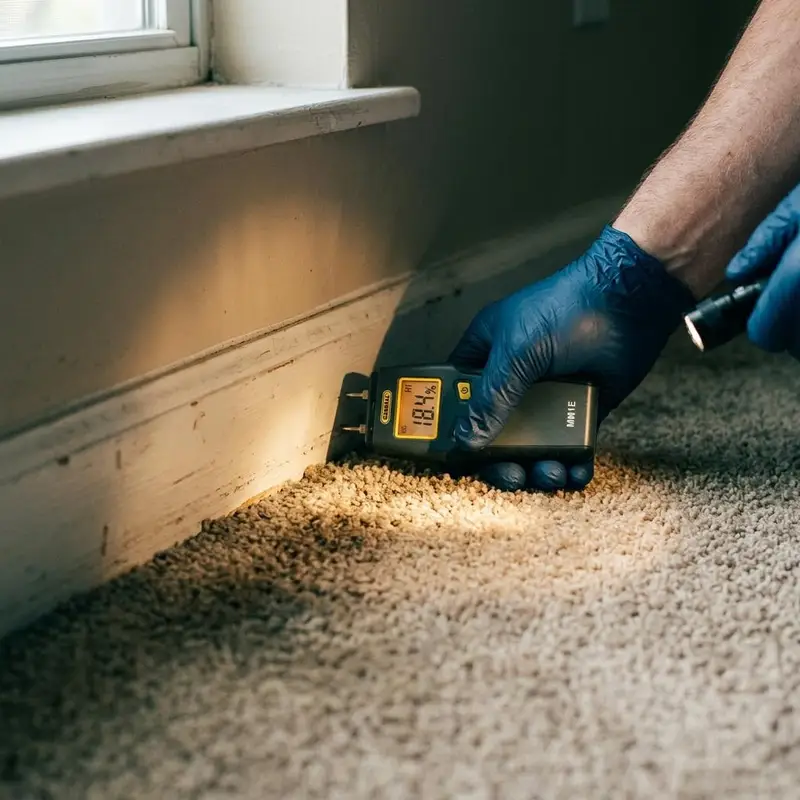
Water that soaks into the carpet also seeps into the subfloor, baseboards, and drywall. Press a moisture meter against the subfloor in several spots. If the reading is above 15 percent, you still have moisture that needs to dry. Drill small holes in the baseboard if necessary to let air behind it. Remove any wet drywall or insulation if the water reached it.
This is where carpet mold remediation gets serious. If you skip the subfloor drying step, mold will grow under the carpet and spread into the walls. The smell will come back, and the carpet will feel damp even after you clean it. A professional service like those found at carpetmoldremovalservices.com uses moisture meters, drying equipment, and inspection tools to make sure every layer is dry.
Clean and disinfect the carpet
After the carpet is dry, clean it to remove dirt, bacteria, and any mold spores that might have landed on it. Use a carpet cleaner with hot water and a cleaning solution that is labeled for mold or bacteria. Do not use bleach on most carpets, as it can damage the fibers and discolor them. Instead, use a commercial carpet cleaner or a vinegar solution if the carpet can handle it.
Vacuum the carpet thoroughly before cleaning to remove loose dirt. Then run the carpet cleaner over the entire area. Let it dry completely afterwards. If the carpet still smells musty, it may need a second cleaning or a professional treatment. For serious mold growth, Carpet Mold Removal Services Pros can treat the carpet with specialized products that kill mold at the root.
Monitor the area for mold growth
Even after you clean and dry everything, mold can still appear if the moisture was deep or if the room stays humid. Check the carpet edges and corners for dark spots or a musty smell every few days for the next two weeks. If you see any sign of mold, treat it right away. Small patches can be cleaned with a mold-specific spray, but larger areas need professional removal.
Keep the room well-ventilated during the monitoring period. Use a dehumidifier if the humidity stays above 50 percent. If the carpet stays wet again after cleaning, there may be a hidden leak or the subfloor may still be damp. In that case, call in a specialist like Carpet Mold Removal Services Pros to inspect and handle the problem before it spreads to the rest of your home.
Know when to replace the carpet
Not every wet carpet can be saved. If the water was from a sewer backup or floodwater, the carpet is likely contaminated with bacteria and pathogens that cannot be fully removed. If the carpet was wet for more than three days, mold has probably grown inside the padding and the carpet backing. In these cases, the safest choice is to remove the carpet and replace it.
If the carpet is old or already showing wear, replacement may be more practical than trying to dry and clean it. New carpet gives you a fresh start and eliminates the risk of hidden mold. When you do replace the carpet, choose a low-pile or synthetic carpet that dries faster and resists moisture. Avoid thick padding in areas prone to leaks or floods.
For professional advice on whether to save or replace your carpet, you can consult a company like Carpet Mold Removal Services Pros. They assess the damage, test for mold, and recommend the best course of action. Their services include full carpet mold remediation and restoration, so the job is done right the first time. For more detailed guidance, resources at carpetmoldremovalservices.com cover the full process from drying to disinfection to replacement.
Act fast to prevent bigger problems
The key to handling a wet carpet is speed. Every hour that passes gives mold more time to grow and spread. By following these steps, you reduce the chance of mold taking hold in your home. Start with removing water, then dry everything thoroughly, and clean the carpet as soon as it is dry. Keep an eye on the area for weeks afterward to catch any late mold growth.
If the job feels too big or the water damage is extensive, do not hesitate to call in professionals. Carpet mold remediation is not a do-it-yourself task when the contamination is severe. Professionals have the tools, experience, and products to dry, clean, and restore your carpet and home. Acting fast and deciding wisely will save you time, money, and stress in the long run.